
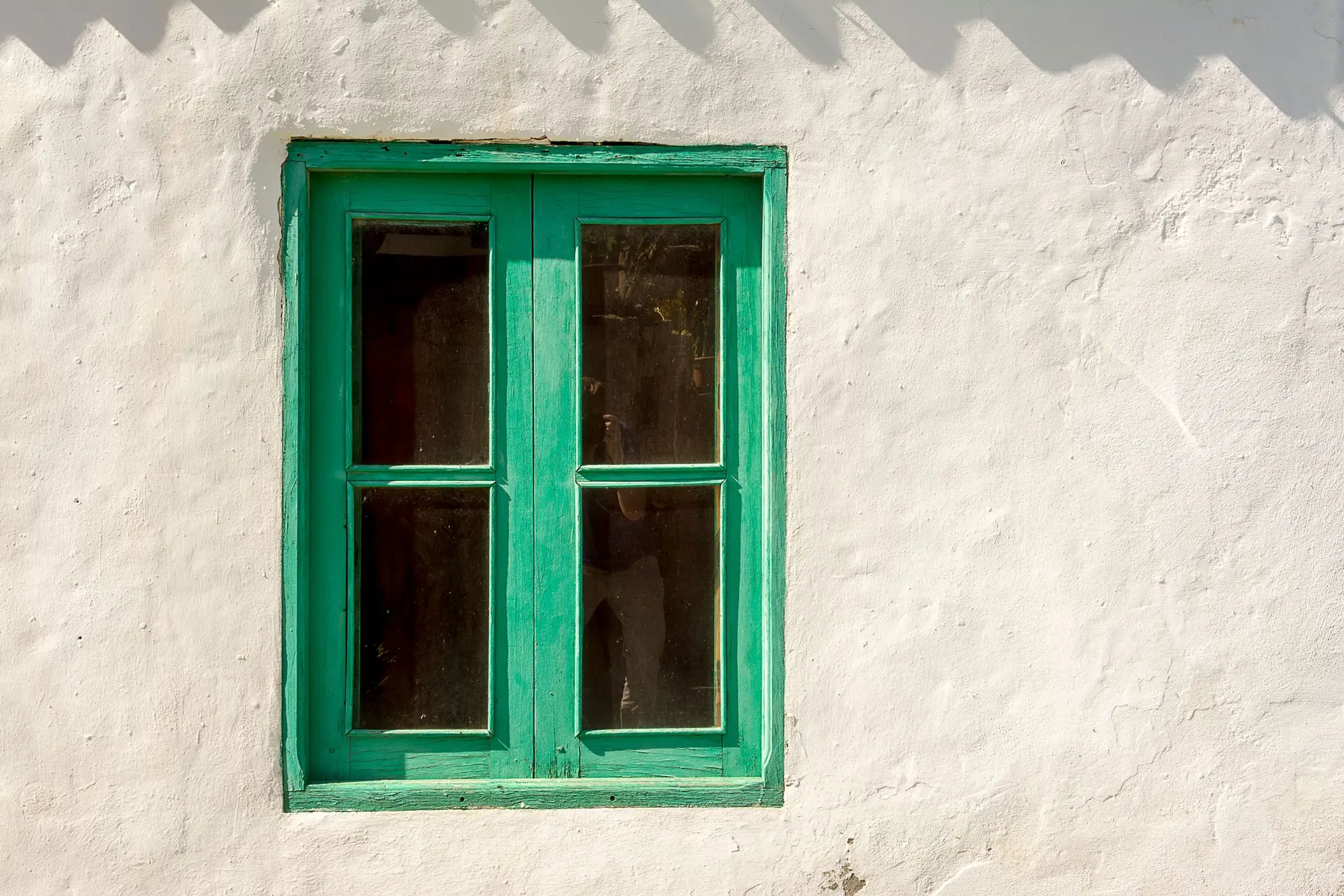
Window replacement in Los Angeles often comes down to one question that most quotes skip: what is the frame like? In an older house, the answer decides whether you repair the windows you have, fit new units inside the old frames, or take everything out back to the framing. Each path has a different cost, a different look and a different effect on the walls around it.
This post walks through how we make that call, window by window, on houses built before about 1970, and what to ask before you sign for new windows.
Original wood windows: repair, retrofit or replace
Repair. A wood sash with a sound frame and sill can often be restored: old glazing putty removed and replaced, broken glass swapped, sash cords or balances renewed and weatherstripping added. Restoration keeps the original glass and the exact look of the house. It does not make a single-pane window as efficient as a new double-pane unit, though weatherstripping closes much of the gap in drafts.
Retrofit. A retrofit (sometimes called an insert) is a new window built to fit inside the existing frame. The old sashes come out, the frame and interior and exterior trim stay, and the new unit is sealed into the opening. It is faster and less disruptive than a full-frame job, and it keeps the original casing. The trade-off is glass area: the new frame sits inside the old one, so the visible glass shrinks a little.
Full frame. A full-frame replacement removes the sash, the frame and usually the trim, back to the rough opening. It costs more and touches the wall, but it lets us inspect and repair what is behind the window and install new flashing properly.
Why full frame suits rot, out-of-square openings and stucco cuts
A retrofit only works if the frame it sits in is sound. We recommend full frame when:
- The sill or lower frame has rotted. Water that has sat on a sill for decades softens the wood. A retrofit sealed onto rot only hides it.
- The opening is out of square. Older houses settle. If the frame has racked, a retrofit has to be shimmed and caulked to fit, and those joints are where leaks start.
- The wall shows water damage. Stains or cracks below a window usually mean the flashing has failed. On a stucco house, a full-frame replacement requires cutting back the stucco around the opening, installing new flashing and patching the finish. That is more work, but it is the only way to fix the cause.
When the frames are sound and square, a retrofit is often the better value, and it leaves more of the original house in place.
Keeping the look of a Craftsman or Spanish Revival house
Windows set the character of a facade. The wrong ones can make an older house look remodeled in a way no other change does.
On a Craftsman house, look for the sash proportions (often a divided upper sash over a single lower one), the width of the frame and the depth of the exterior casing. On a Spanish Revival house, look for casements, arched or deep-set openings, and the way the window sits back in a thick wall. Many manufacturers now offer simulated divided lites, wood or wood-clad frames and narrow profiles that can match these details closely.
Two rules help. Measure and photograph the originals before anything is ordered, so the new units match their proportions rather than a catalog's. And keep the original exterior trim whenever it is sound, because the casing around the window is as much a part of the look as the sash.
Permits, Title 24 and historic districts
In California, replacement windows in a house must meet the energy standards in Title 24, which set limits on how much heat passes through the glass and frame. Most new double-pane units from mainstream manufacturers are rated to meet them, and the label on each unit shows its rating.
Permit requirements vary by city. A full-frame replacement or any change to the size of an opening usually needs a permit. A like-for-like retrofit sometimes does not, but some cities require one for any window replacement. We check with the building department for the address before the quote is final.
If the house sits in a historic district, such as one of the City of Los Angeles's Historic Preservation Overlay Zones, window changes visible from the street usually need review before work starts. Expect that review to favor windows that match the original material and pattern, which is one more reason to start by repairing or closely matching what is there.
How a window quote is measured and written
A useful window quote is built from a site visit, not a phone call. We measure each opening, note the condition of each frame and sill, photograph the trim and record which approach suits each window. Then the quote lists, window by window:
- the approach (repair, retrofit or full frame) and why,
- the unit, its material, grille pattern and energy rating,
- what happens to the trim and, on a stucco house, the patch around the opening,
- the permit, if one is needed.
That level of detail lets you choose to do some windows now and others later, starting with the ones that leak or will not open. It also lets you compare quotes fairly, because two contractors pricing "replace twelve windows" may be pricing very different work.
We work from our office in Claremont across Los Angeles and Ventura Counties. Our windows and doors page has more on matching new units to an older house, and if the window work is part of a larger project, our whole home remodeling and stucco and exterior pages explain how the walls around the windows are handled.