
Lakewood ADU Construction and the Soil Beside the House
Lakewood ADU construction that starts by testing yard soil beside an older house for lead from old paint, before any footing or trench is dug.
Before a footprint is staked in a Lakewood backyard, we take soil from the strip along the older house's walls, where flakes of old exterior paint may have settled. Older paint can contain lead, and digging trenches through that strip would spread it across the yard. A handheld analyzer or a lab sample tells us whether the soil needs care, and the answer shapes where the trenches run and where the spoil goes.
If the soil reads high
A high reading changes how the dig is run. Trenches for the feeder and the water line are routed away from the house's drip line where the layout allows, and soil that has to be moved there is kept damp, covered and hauled off, never spread in a planting bed or a play area. Workers wear protection suited to the reading, and tools are cleaned before they leave the strip. Bare soil left near the house afterward can be covered with paving, mulch or new planting, so dust does not lift from it on a dry day.
Old paint on the house itself
The same reading says something about the main house. If its siding or trim still carries old paint, any work that disturbs it, such as cutting an opening for a new circuit, is done under lead-safe rules by a certified renovator: plastic sheeting below, misting to keep dust down and a cleanup checked at the end. We cut the smallest opening the tie-in needs, and the original siding and trim around it stay in place. A full repaint of the house is a separate decision, with its own testing and its own written scope.
About our ADU Construction serviceEverything we do in Lakewood
ADU Construction in Lakewood: common questions
Trench routes are drawn after the soil reading, so each line avoids disturbed ground near the house where it can. The old panel's spare capacity decides the feeder, a pressure reading near the back fence decides the water branch, and a camera shows whether the sewer lateral can accept the unit's drain.
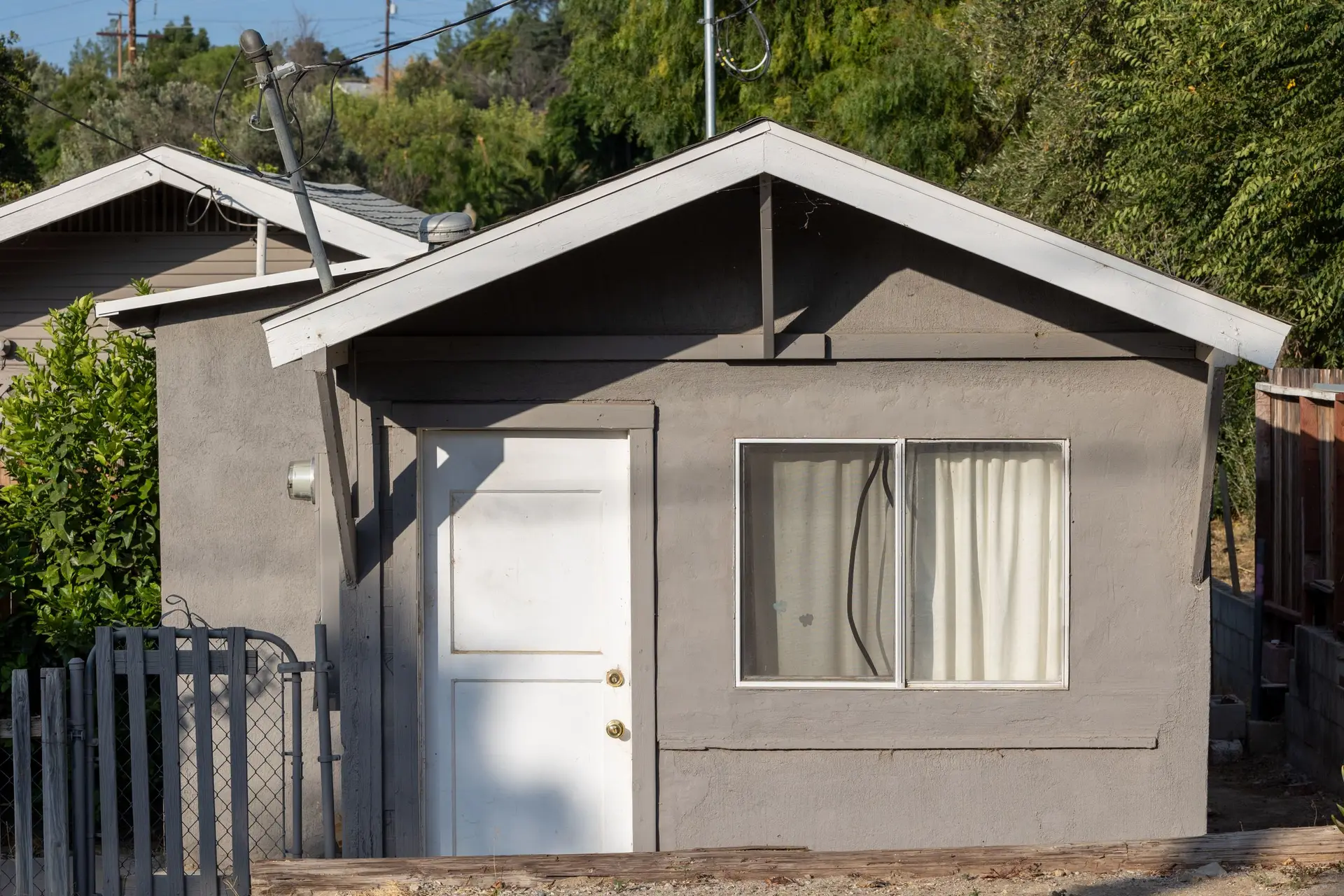
Often. Disturbing the garage's old paint calls for the same lead-safe care as work on the house. Once that is planned, the conversion goes ahead like any other: a sound slab and footing, a roof able to take insulation, and new framing and glass where the car door was.
Begin with the roof, copying the main house's pitch and overhang. Then the walls take its siding or stucco and the windows its shapes, with casing cut to the house's own widths. The colors are matched from the house and mixed fresh for the unit.
Other work we do in Lakewood
Talk to us about your house in Lakewood
Send the details and we will set up a walk-through and a written scope.